“I need a centralized inventory and operations system that can support different types of inventory identified by unique tracking numbers. The primary record should remain a familiar spreadsheet-style master file with separate tabs for inventory, rentals, deliveries and pickups, service-provider bills, payments, inspections, move-out requests, service providers, delinquent rentals, archived records, and records requiring review. Our employees and managers are comfortable working directly in spreadsheets, so the master file must remain organized, readable, and editable. I also need a secure web application that works alongside the spreadsheet, giving staff simple forms for searching, adding, updating, moving, and archiving records without requiring them to navigate large tables.
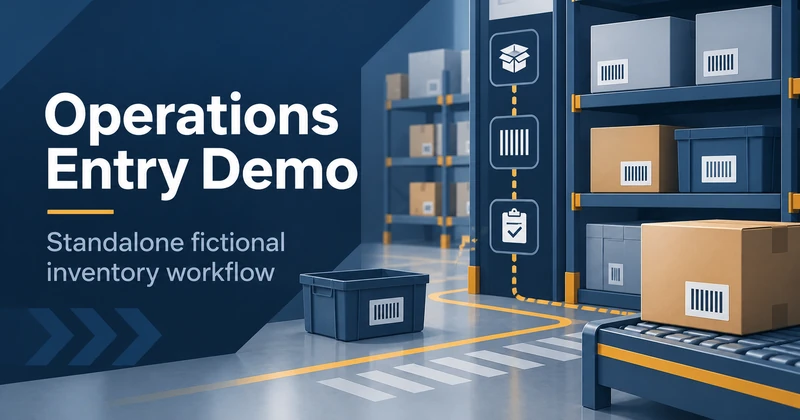
Each unit should have one permanent inventory record identified by its unique tracking number or assigned identifier. The system should also support units divided into separately tracked sections, such as A, B, or C. It must track whether a unit is available, rented, rental-ready, in progress, sold, awaiting inspection, or on maintenance hold. Rentals should be separate records linked to the appropriate unit and customer. The rental workflow should support different unit types and sizes, past-due balances, billing due dates, move-out notices, inspections, and the requirement that returned units pass through inspection before becoming available for rent again. Staff should be able to search by customer, tracking number, invoice, or other identifying information and make changes using straightforward fields, dropdowns, date selectors, toggles, and currency amounts.
The system also needs to manage deliveries, pickups, relocations, third-party deliveries, and unsuccessful or dry-run service calls while keeping the physical movement of a unit separate from outside service-provider billing. It should distinguish the amount charged to the customer from the amount billed by the service provider, allow one payment or check to cover multiple invoices, and optionally track whether supporting paperwork is still needed. Uploaded documents should be stored as archival links and should never be required to save or approve a movement. The system must maintain a clear history of changes, archive records instead of permanently deleting them, and place questionable dates, tracking numbers, or imported information into a review area rather than changing uncertain information automatically.
The finished system should be clean, secure, and easy to use on office computers, tablets, and phones, including for employees with limited technical experience. Authorized staff should be able to work either directly in the master spreadsheet or through the web application, with both methods updating the same source of truth. Accounting and other external software integrations are not required during the initial phase. The focus should be reliable manual entry, accurate inventory tracking, controlled staff access, and a practical system that can grow with the business or be adapted to different types of trackable inventory without becoming overly complicated.”
 Completed demoView Personal Finance Tracker↗